

5 Easy Pasta Recipes That Will Make You Cook Like a Chef
You know that feeling when you order pasta at a restaurant and wonder, "How is this so good?" It's not magic. It's not expensive ingredients. It's technique—small details that most home cooks skip but make the difference between "this is nice" and "wait, did you become a chef?"
Here's the truth: restaurant pasta isn't about fancy equipment or secret family recipes. It's about understanding a few key principles and applying them consistently. Master these five recipes and the techniques behind them, and you'll cook pasta that rivals any Italian restaurant.
:max_bytes(150000):strip_icc()/241920-easy-homemade-pasta-dough-ddmfs-4x3-c7172fe3104e43868f928c077d3a3397.jpg)
Image from: Allrecipes
Also read: Attote Original: The Traditional Herbal Supplement for Sexual Wellness and Vitality
THE CHEF'S SECRETS YOU NEED TO KNOW FIRST
Before we get to the recipes, let's talk about what separates restaurant pasta from home-cooked pasta.
Salt Your Pasta Water Like the Ocean
Michelin-starred chefs taste their pasta water. Seriously. It should be as salty as seawater. This is the only chance to season the pasta itself from the inside. Under-salted water = bland pasta no amount of sauce can fix.
Save That Pasta Water
Before draining pasta, scoop out at least a cup of the starchy cooking water. This liquid gold helps sauces cling to pasta and creates that restaurant-quality glossy finish. Never skip this.
Finish Pasta IN the Sauce
The biggest mistake? Draining pasta, plating it, then spooning sauce on top. Chefs finish cooking pasta directly in the sauce for the last 1-2 minutes. This allows the pasta to absorb flavor and the sauce to coat every strand perfectly.
Undercook Your Pasta
Drain pasta 2 minutes before the package says it's done. It finishes cooking in the sauce, absorbing flavor while reaching that perfect al dente texture.
Use Good Olive Oil
A drizzle of quality olive oil at the end transforms pasta from good to great. It's not about cooking with it—it's about finishing with it.
Now, let's put these principles into action.
RECIPE 1: AGLIO E OLIO (GARLIC AND OIL PASTA)
This is the chef's midnight snack—simple, fast, and surprisingly elegant. Five ingredients, 15 minutes, restaurant-quality results.
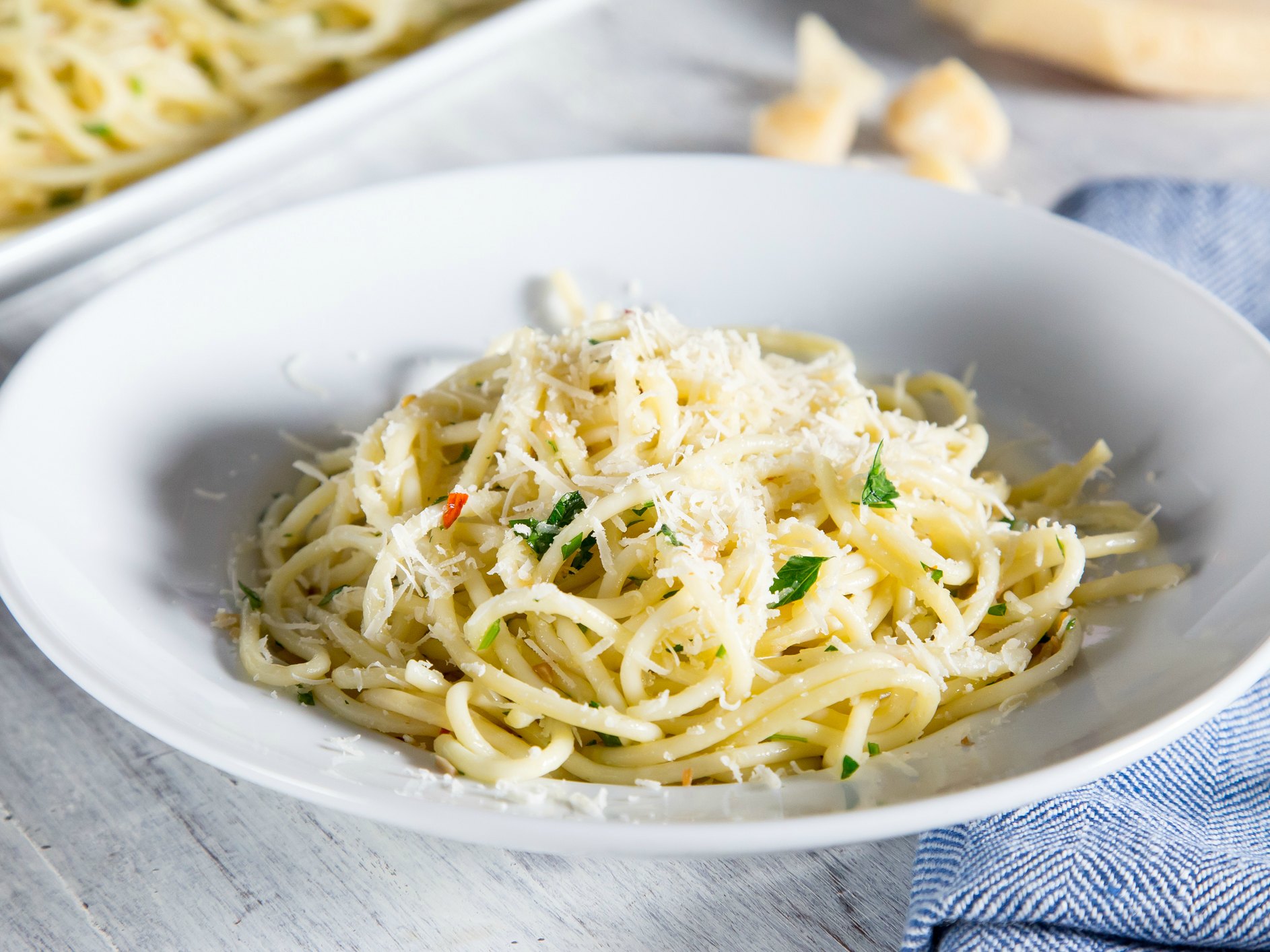
Image from: Food Network
Ingredients:
- 1 pound spaghetti or linguine
- 1/2 cup extra virgin olive oil (or 123 Vegetable Oil for cooking)
- 8-10 garlic cloves, thinly sliced
- 1 teaspoon red pepper flakes (or Asiko Crushed Hot Pepper for authentic heat)
- Fresh parsley, chopped
- Salt
- Parmesan (optional)
The Technique:
Bring a large pot of heavily salted water to boil. Cook pasta until 2 minutes before al dente. Save 1 cup pasta water before draining.
While pasta cooks, heat olive oil in a large pan over medium-low heat. Add sliced garlic and cook slowly until just golden—about 3-4 minutes. Don't rush this. Burnt garlic = bitter pasta. Add red pepper flakes in the last 30 seconds.
Transfer barely-cooked pasta directly to the pan with garlic oil. Add 1/2 cup pasta water. Toss vigorously for 1-2 minutes over medium heat. The pasta will finish cooking while absorbing the garlicky oil. Add more pasta water if needed—you want it slightly saucy, not dry.
Remove from heat. Add chopped parsley and another drizzle of fresh olive oil. Toss again. The pasta should be glossy, coated evenly, and smell incredible.
Chef's Secret: The vigorous tossing creates an emulsion—the starchy pasta water binds with the oil, creating a light sauce that clings to every strand. This is what makes restaurant aglio e olio different from the oily version most people make.
RECIPE 2: CACIO E PEPE (CHEESE AND PEPPER PASTA)
Four ingredients. Sounds easy, right? This is actually one of the hardest pastas to perfect because there's nowhere to hide. But once you nail it, you'll feel like a Roman chef.
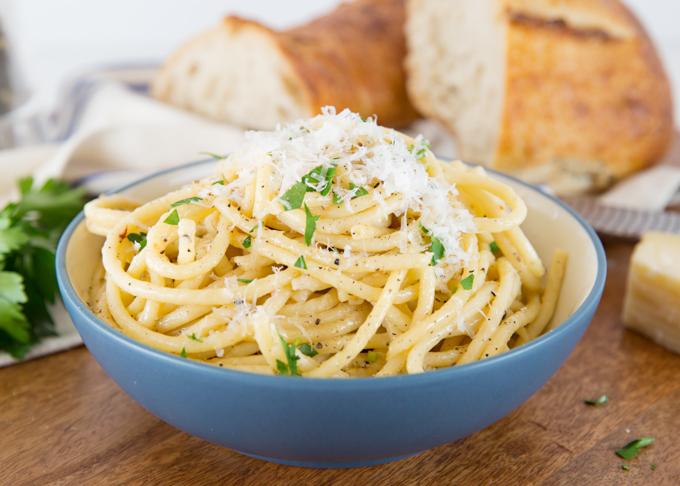
Image from: Joy in Every Season
Ingredients:
- 1 pound spaghetti or tonnarelli
- 2 cups Pecorino Romano, finely grated
- 2-3 tablespoons black pepper, freshly cracked
- Salt
The Technique:
Boil pasta in heavily salted water. Before draining, save 2 cups of pasta water (you'll need extra for this one).
While pasta cooks, toast black pepper in a dry large pan over medium heat for 1-2 minutes until fragrant. Add 1 cup pasta water to the pan and bring to simmer.
Drain pasta 2 minutes early. Add to pan with pepper and water. Toss for 1 minute.
Here's the critical part: remove pan from heat. Add grated Pecorino gradually while tossing constantly and quickly. Add pasta water in small splashes as needed. You're creating an emulsion—cheese, water, and starch binding into a creamy sauce with no cream.
The key: Temperature control. Too hot and the cheese clumps. Too cool and it won't melt. Work quickly off the heat, tossing constantly. The residual heat from the pasta melts the cheese while the starchy water creates creaminess.
Chef's Secret: Use a large pan so pasta has room to move. The constant vigorous tossing is what creates that signature creamy texture. Many home cooks don't toss enough or aggressively enough.
RECIPE 3: SPICY TOMATO PASTA (PENNE ALL'ARRABBIATA)
When you want bold, spicy, comfort-food pasta that tastes like you spent hours on it but only took 20 minutes.

Image from: Andy Cooks
Ingredients:
- 1 pound penne or rigatoni
- 1 (28oz) can whole San Marzano tomatoes
- 6 garlic cloves, sliced
- 1-2 teaspoons red pepper flakes (adjust to heat preference) - Asiko Crushed Hot Pepper works perfectly
- 1/4 cup olive oil (or 123 Vegetable Oil)
- Fresh basil
- Salt
- Parmesan for serving
The Technique:
Cook pasta in salted boiling water until 2 minutes before done. Save pasta water.
Heat olive oil in large pan over medium heat. Add sliced garlic and red pepper flakes. Cook until garlic is just golden, about 2 minutes.
Crush tomatoes by hand and add to pan with their juice. Season with salt. Simmer for 10-12 minutes, breaking up tomatoes with a wooden spoon. The sauce should thicken and darken slightly.
Add undercooked pasta directly to sauce with 1/2 cup pasta water. Toss for 2 minutes until pasta finishes cooking and sauce coats every piece. Add more pasta water if sauce is too thick.
Remove from heat. Tear fresh basil and stir through. Drizzle with olive oil. Serve with Parmesan.
Chef's Secret: Hand-crushing tomatoes gives better texture than blending. San Marzano tomatoes (if you can get them) are sweeter and less acidic. The pasta finishing in the sauce allows the rigatoni tubes to fill with sauce—that's why restaurants use tube pasta with chunky sauces.
RECIPE 4: CREAMY MUSHROOM PASTA
Rich, earthy, sophisticated. This tastes like you went to culinary school but requires basic supermarket ingredients.
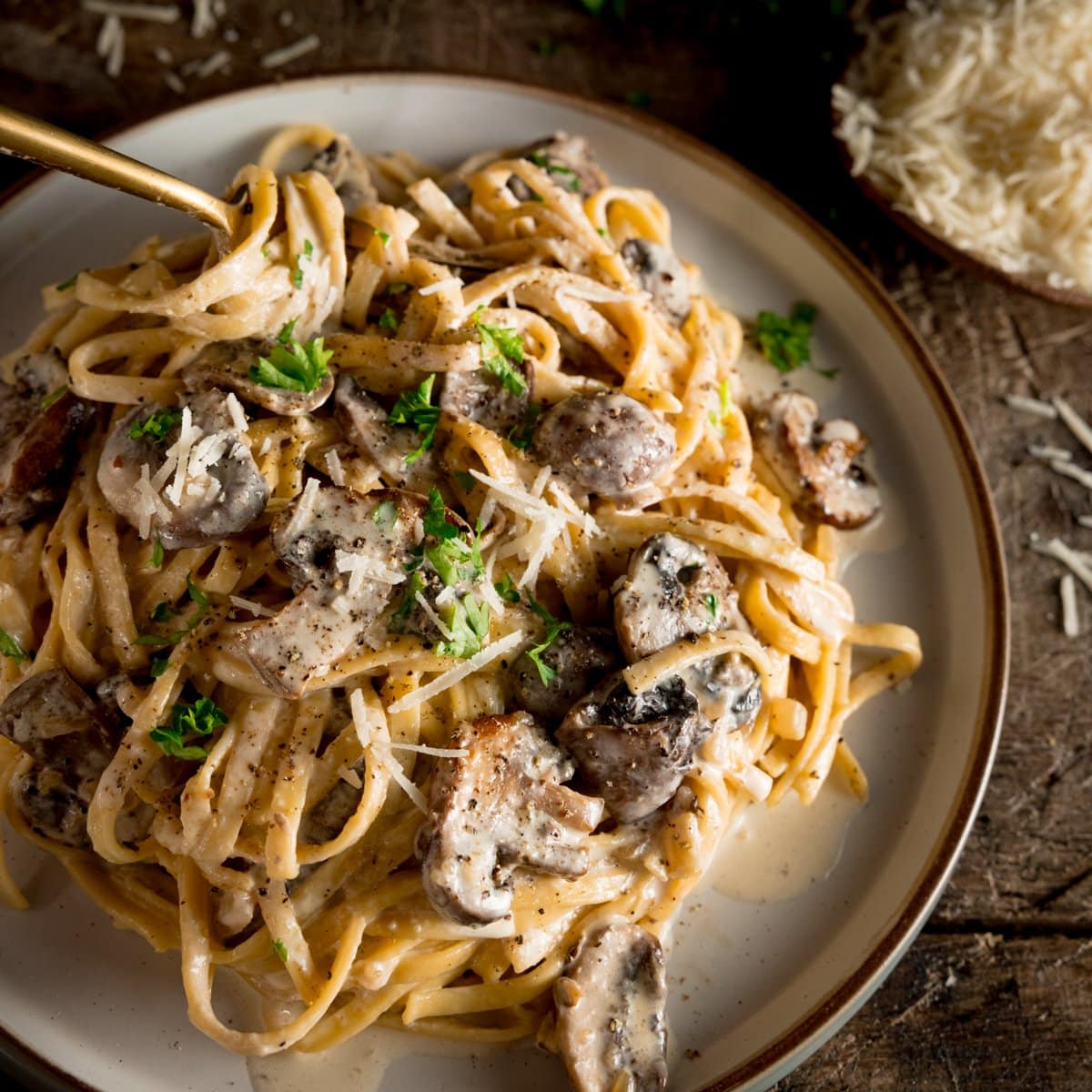
Image from: Kitchen Santuary
Ingredients:
- 1 pound fettuccine or pappardelle
- 1 pound mixed mushrooms (cremini, shiitake, oyster), sliced
- 4 garlic cloves, minced
- 1 cup heavy cream
- 1/2 cup white wine
- 3 tablespoons butter
- Fresh thyme
- Parmesan, grated
- Salt and black pepper
The Technique:
Cook pasta in salted water until 2 minutes before done. Save pasta water.
Heat butter in large pan over high heat. Add mushrooms in a single layer (don't crowd—cook in batches if needed). Let them sit undisturbed for 2-3 minutes until golden brown on one side. Then stir and cook until caramelized. Season with salt and pepper.
Reduce heat to medium. Add garlic and thyme, cook for 1 minute. Add white wine, scraping up any brown bits. Let wine reduce by half, about 2 minutes.
Add cream and bring to simmer. Cook for 3-4 minutes until slightly thickened.
Add pasta to sauce with 1/2 cup pasta water. Toss for 2 minutes. The cream sauce should coat pasta beautifully. Add Parmesan and toss again.
Chef's Secret: High heat for mushrooms is crucial. They need to caramelize, not steam. Crowding the pan releases water and makes them soggy. Brown, caramelized mushrooms = deep, meaty flavor.
RECIPE 5: CARBONARA (THE REAL DEAL)
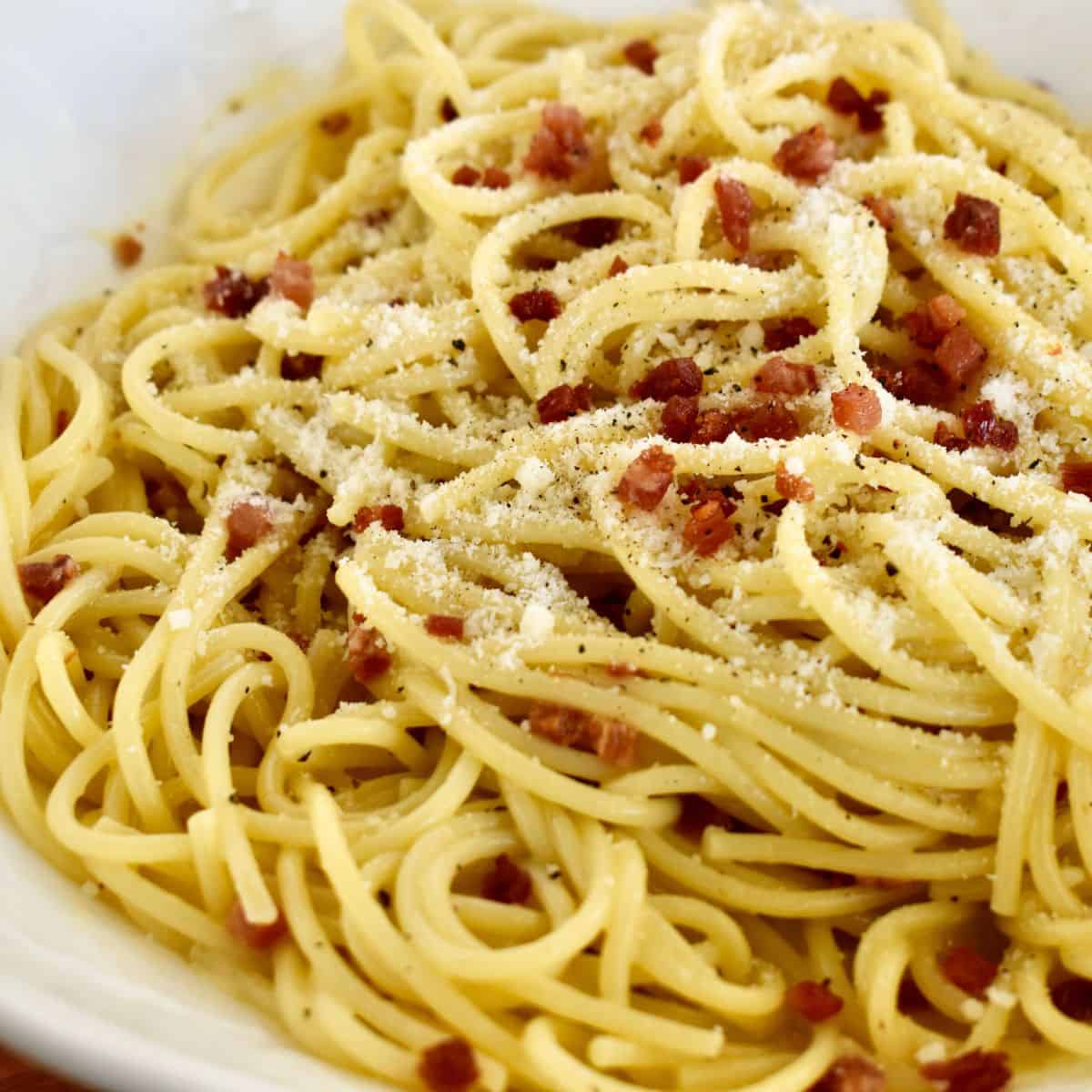
Image from: This Italian Kitchen
This Roman classic is often messed up by adding cream (never!) or scrambling the eggs (disaster!). Done right, it's silky, rich, and absolutely perfect.
Ingredients:
- 1 pound spaghetti or rigatoni
- 6oz guanciale or pancetta, diced
- 4 large egg yolks + 1 whole egg
- 1 1/2 cups Pecorino Romano, finely grated
- Black pepper, freshly cracked
- Salt
The Technique:
Cook pasta in salted boiling water until 2 minutes before done. Save 2 cups pasta water.
While pasta cooks, cook guanciale in a large pan over medium heat until fat renders and meat is crispy, about 5-7 minutes. Turn off heat.
In a bowl, whisk egg yolks, whole egg, grated Pecorino, and lots of black pepper. Mix well.
When pasta is almost done, add 1/2 cup pasta water to the pan with guanciale. Turn heat to low.
Drain pasta and add immediately to pan. Remove pan from heat completely. Working quickly, add egg-cheese mixture while tossing the pasta constantly and vigorously. The residual heat cooks the eggs gently, creating a creamy sauce. Add pasta water in small amounts if needed to reach creamy consistency.
The key: Temperature. Too hot = scrambled eggs. Too cool = raw eggs. The pasta should be hot enough to gently cook the eggs through residual heat alone. Toss constantly and work quickly.
Chef's Secret: Many chefs add the hot pasta to the egg mixture (instead of vice versa) and toss in a warm bowl, not the pan. This gives even more control over temperature. Constant, aggressive tossing is essential—this is where the creaminess comes from.
THE INGREDIENTS THAT MAKE THE DIFFERENCE
You can follow every technique perfectly, but poor ingredients limit your results. Here's what to invest in:
Quality Olive Oil: Get one really good bottle for finishing dishes. The peppery, fruity flavor elevates simple pasta dramatically. 123 Vegetable Oil works great for cooking, and you can save premium olive oil for finishing drizzles.
Real Parmesan or Pecorino: Pre-grated cheese in plastic containers doesn't melt the same way. Buy a wedge, grate it yourself. The difference is enormous.
Good Pasta: Bronze-cut dried pasta (look for "bronze-cut" or "trafilata al bronzo" on the package) has a rough texture that helps sauce cling. Brands like De Cecco, Rustichella d'Abruzzo, or Setaro are worth the extra dollar.
Fresh Garlic: Old, sprouting garlic turns bitter when cooked. Fresh cloves make sweeter, more aromatic pasta.
Proper Cheese: For cacio e pepe and carbonara, Pecorino Romano is not optional. Parmesan alone won't give you the right flavor or texture.
COMMON MISTAKES THAT RUIN PASTA
Mistake 1: Not Using Enough Water
Pasta needs room to move. Use a big pot with at least 6 quarts of water per pound. Crowded pasta cooks unevenly and gets gummy.
Mistake 2: Adding Oil to Pasta Water
This prevents sauce from sticking to pasta. Skip it. Salt is all you need.
Mistake 3: Rinsing Pasta After Draining
Never rinse (unless making pasta salad). The starchy coating helps sauce adhere.
Mistake 4: Not Tossing Enough
Vigorous tossing isn't optional—it's what creates those restaurant-quality emulsified sauces.
Mistake 5: Making Sauce While Pasta Sits
Pasta waits for no one. Time your sauce to finish when pasta is ready, not five minutes later.
FINAL THOUGHTS: IT'S ALL ABOUT TECHNIQUE
None of these recipes require rare ingredients or expensive equipment. What they require is attention to technique—salting water properly, saving pasta water, finishing pasta in the sauce, controlling temperature, tossing vigorously.
These aren't complicated skills. They're small adjustments to how you already cook pasta. But they're the adjustments that transform ordinary weeknight dinners into meals that make people ask, "When did you learn to cook like this?"
Master these five recipes and you'll understand pasta at a deeper level. You'll stop following recipes rigidly and start cooking intuitively, adjusting water and heat and timing based on what the pasta needs.
That's when you've moved from home cook to chef-level pasta maker. Not because you're in a restaurant kitchen, but because you understand the fundamentals that make great pasta great.
Now get cooking. Your restaurant-quality pasta is waiting.