

How to Spot the Difference between the "Fake" vs "Original" Titus Fish
Have you ever heard the phrase from your mum, aunt or maybe an elderly chef saying "Eja Titus t'o ra wa yi, ko n se original" (This Titus fish you bought isn't original.
This notion came from the different texture, taste, and flavor of two fish that look alike but taste different.
The fake one is supposedly inferior—worse texture, bland taste, possibly even dangerous. The original is the real deal—oily, flavorful, worth the extra money.
Here's the truth that will surprise you: There is no such thing as "fake" Titus fish.
What Nigerians call "fake" and "original" Titus are actually two different species of mackerel, both legitimate, both naturally occurring fish. Neither is counterfeit, artificial, or fake. They're just different, and understanding those differences helps you choose what you actually want, not what market terminology tells you to want.
Also read: Gift Ideas Under $100: Holiday Treats and Hampers You Can Build
WHAT TITUS FISH ACTUALLY IS
First, a quick history lesson: "Titus" isn't even the scientific name for this fish. It's actually a brand name that became so popular in Nigeria that people started using it for all mackerel.
Titus was (and still is) a brand of canned mackerel sold in Nigeria. Over time, Nigerians began calling all mackerel "Titus," the same way some people call all tissues "Kleenex" or all petroleum jelly "Vaseline." The brand name became the generic term.
So when you're buying "Titus fish," you're actually buying mackerel, a type of oily fish found in oceans worldwide, belonging to the family Scombridae. There are over 30 species of mackerel in this family, and they're all legitimate, naturally occurring fish.
THE TWO SPECIES NIGERIANS CALL "ORIGINAL" AND "FAKE"
What Nigerians call "original" and "fake" Titus are actually these two mackerel species:
"Original" Titus = Atlantic Mackerel (Scomber scombrus)
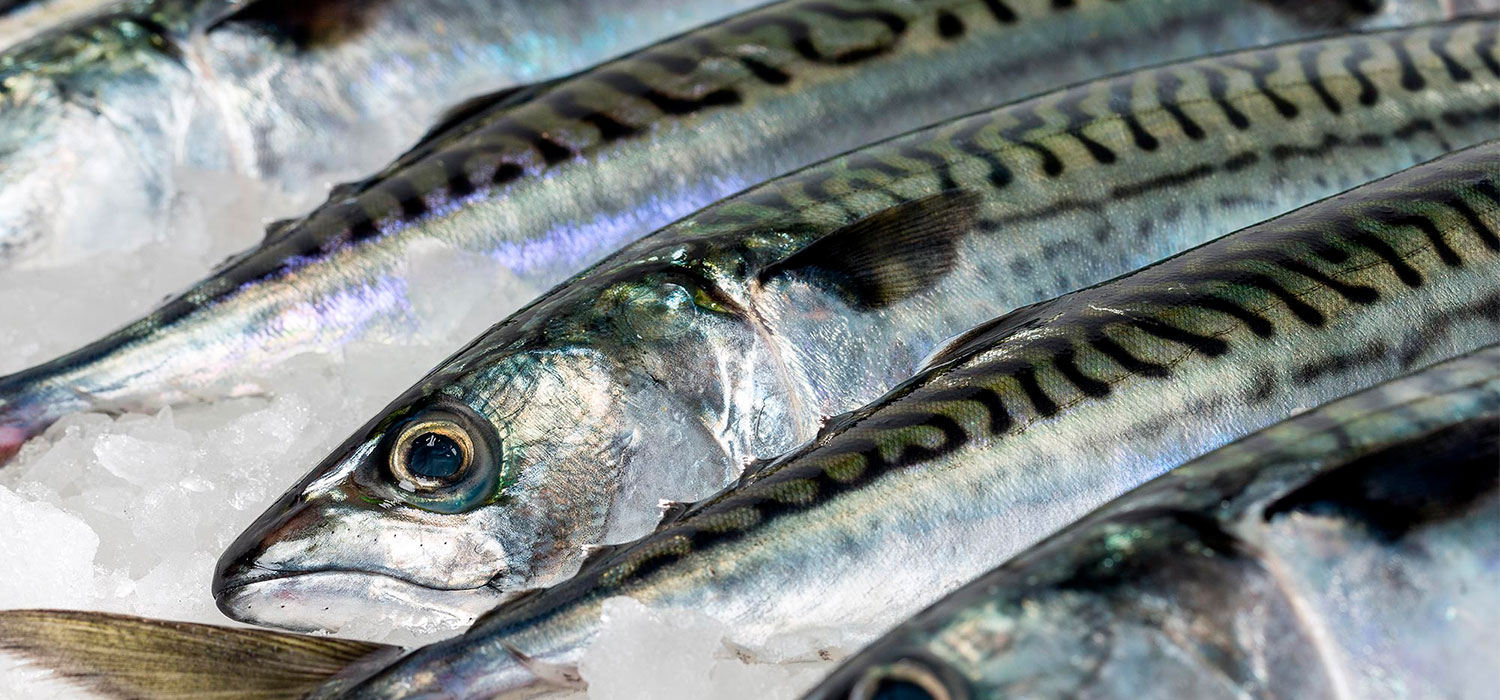
Image from: Vardin
This is the mackerel species found in the temperate waters of the Atlantic Ocean, Mediterranean Sea, and Black Sea. It's called Atlantic mackerel because... well, it comes from the Atlantic.
Key characteristics:
- Smaller head with smaller eyeballs
- Long, pointed snout
- Deep, wavy black stripes on the back
- Clear, pure white, shiny belly with no spots
- Very oily—both on the body and after cooking
- Silver-blue coloring
- More intense flavor
- Firmer, oilier texture
This is the fish Nigerians prefer. It's oilier, more flavorful, and has that distinctive mackerel taste people love. It's what most people think of when they think of "Titus fish."
"Fake" Titus = Chub Mackerel (Scomber japonicus)

Image from: Ducamar
This mackerel species is found primarily in the Indo-Pacific waters. It's also called "Kampala" in Nigeria, though nobody seems to know exactly where that name came from.
Key characteristics:
- Bigger head with larger eyeballs
- Less pointed snout
- Pale, dotted lines instead of deep stripes
- Belly has spots and markings (not pure white)
- Bigger and longer overall
- Less oily
- Milder flavor
- Different texture—some describe it as more "plastic-like" or rubbery
This is the fish vendors sell for cheaper. It looks similar enough to Atlantic mackerel that casual shoppers might not notice the difference, but once you know what to look for, the differences are obvious.
WHY NIGERIANS CALL ONE "FAKE"
The terminology started as market-speak—a way for vendors and customers to quickly differentiate between the two species. But calling one "fake" implies that it's counterfeit, artificial, or somehow less legitimate than the "original."
That's not accurate. Both are real fish. Both are mackerel. Both occur naturally in the ocean. Neither is manufactured nor artificial.
The real difference is:
- Preference: Most Nigerians prefer the taste and texture of Atlantic mackerel
- Price: Chub mackerel is cheaper to import and sell
- Availability: Chub mackerel became more common in Nigerian markets, sometimes being sold as Atlantic mackerel
- Quality perception: Because chub mackerel doesn't taste as good (to Nigerian palates), people assumed it was "fake" or inferior
So the "fake" label is really about taste preference and market confusion, not about authenticity.
HOW TO TELL THEM APART
If you want Atlantic mackerel (the "original"), here's how to identify it:
1. Check the Head
Atlantic mackerel has a noticeably smaller head with smaller eyeballs and a longer, more pointed snout. If the head looks disproportionately large and the snout is blunt, it's likely chub mackerel.
2. Examine the Belly
Turn the fish over and look at the belly. Atlantic mackerel has a clear, pure white, shiny belly with no spots or markings. Chub mackerel has spots and markings all over the belly area.
This is the easiest way to check—flip it over and look. Clean white belly = Atlantic. Spotted belly = chub.
3. Look at the Stripe Pattern
The stripes on Atlantic mackerel are deep, wavy, sharp black lines that stand out clearly. Chub mackerel has pale, dotted lines that are less distinct.
4. Feel the Oiliness
Atlantic mackerel is noticeably oilier. If you press the fish, it should feel slick and oily. After cooking, Atlantic mackerel releases significant oil. Chub mackerel is drier, both before and after cooking.
5. Size Comparison
Chub mackerel tends to be bigger and longer than Atlantic mackerel. If the fish looks unusually large, it might be chub.
THE TASTE AND TEXTURE DIFFERENCE
This is where the "fake" label really comes from—the taste difference is real and noticeable.
Atlantic Mackerel:
- Rich, oily, intensely "fishy" flavor
- Firm but tender texture
- Oily throughout (which some people love)
- Flavorful even with simple preparation
- The oil adds richness to stews and sauces
Chub Mackerel:
- Milder, less intense flavor
- Different texture—some describe it as tougher or more rubbery
- Less oily, which some people find less appealing
- Requires more seasoning to taste good
- Doesn't add the same richness to dishes
Most Nigerians strongly prefer Atlantic mackerel because of that rich, oily flavor. Chub mackerel just doesn't taste the same. It's not bad—it's just different, and different isn't what people want when they're craving Titus fish.
IS CHUB MACKEREL ("FAKE" TITUS) SAFE TO EAT?
This is where some misinformation has spread. You'll hear claims that "fake Titus" is:
- Plastic in texture
- Foams when cooked
- Hard to digest
- High in mercury
- Potentially dangerous
Chub mackerel is a legitimate food fish consumed safely worldwide. It's not dangerous, poisonous, or fake.
However:
- The texture difference is real (it's less oily, which changes how it cooks)
- Some people find it harder to digest (any less oily fish can feel heavier)
- Mercury levels vary by species and size, but both mackerel species can contain mercury—it's not unique to chub mackerel
- Quality matters: improperly stored or old fish of ANY species can be dangerous
The health concerns aren't about chub mackerel being inherently dangerous. They're about:
- People not getting what they paid for (buying chub when they wanted Atlantic)
- Possible quality issues with imported fish that aren't stored properly
- Disappointment over taste and texture
BOTH FISH HAVE NUTRITIONAL VALUE
Let's be clear: both Atlantic mackerel and chub mackerel are nutritious, healthy fish.
Both provide:
- Omega-3 fatty acids (good for heart and brain health)
- High-quality protein
- Vitamins (especially B12, D)
- Minerals (selenium, phosphorus)
- Low in saturated fat
Atlantic mackerel is oilier, so it has slightly more omega-3 fatty acids. But chub mackerel is still a healthy, nutritious fish that's consumed safely worldwide.
Neither is "junk food." Neither is dangerous. They're both legitimate, healthy protein sources.
WHAT YOU SHOULD ACTUALLY CALL THEM
Instead of "original" and "fake," try using the actual names:
- Atlantic mackerel or Scomber scombrus for what Nigerians call "original Titus"
- Chub mackerel, Kampala, or Scomber japonicus for what Nigerians call "fake Titus"
Or just recognize that they're two different species of mackerel with different characteristics, and choose based on what you actually want—flavor, texture, price—not based on misleading terminology.
HOW TO SHOP SMART
When buying mackerel (Titus fish):
1. Know what you want: Do you want the oilier, more flavorful Atlantic mackerel? Or are you fine with the milder chub mackerel?
2. Check the fish yourself: Don't just trust the vendor's label. Look at the belly, check the stripes, feel the oiliness.
3. Ask specific questions: Instead of "is this original?" ask "is this Atlantic mackerel or chub mackerel?"
4. Pay fair prices: If you're buying chub mackerel, don't pay Atlantic mackerel prices. Know the market rates.
5. Buy from reputable sources: L'Afrique Market and similar stores with clear labeling help you know exactly what you're getting.
THE BOTTOM LINE
There is no "fake" Titus fish. There are two different species of mackerel that Nigerians have labeled "original" and "fake" based on taste preference and market confusion.
Atlantic mackerel (Scomber scombrus) is what most Nigerians prefer—oily, flavorful, rich. Chub mackerel (Scomber japonicus) is milder, less oily, and cheaper. Both are real fish. Both are safe to eat. Both have nutritional value.
The "fake vs original" terminology creates unnecessary confusion and implies one fish is somehow illegitimate when it's not. It's just different.
Now you know the truth. Next time someone asks if you want "original or fake" Titus, you can smile and say, "Actually, I want Atlantic mackerel," or "Chub mackerel is fine for this recipe."
Knowledge is power—especially in the market.